



Dog Leash Length Guide: Choose the Right Training Line

A dog leash length guide is most useful when it helps you make a decision for the walk in front of you. A 4 to 6 foot leash may suit daily walking, while a 15, 30, or 50 foot long line can create space for planned recall practice. The right choice depends on your dog's skills, the environment, and your training goal.
Explore Become Your Dog's Hero training resources
Choose leash length by purpose and training stage. Use a short leash for close management, a standard leash for everyday walks, and a long line for supervised recall or exploration in a suitable open area. More length gives your dog more room to move, but it also requires more awareness, organized handling, and a safer environment.
Leash length is not a contest to see how much freedom you can offer. It is one part of communication between you and your dog. If your dog is still learning to notice your movement, respond to natural guidance, or stay regulated around distractions, begin where successful choices are likely. Heather's Heroes builds those skills through relationship-based training that goes beyond simply managing the leash.
Why does leash length matter during training?
Answer: Leash length affects how much space your dog can use, how quickly you can respond, and how clearly you can communicate. The best length gives your dog enough room to make a good choice without creating more freedom than you can safely manage in that setting.
A busy sidewalk, a quiet sniffing walk, and a recall session each require a different level of connection. Near roads, crowded paths, or unfamiliar dogs, a shorter line is easier to organize. In a clear open area, a long line can let your dog investigate scents and practice returning while a physical connection remains in place.
The line supports the lesson, but it never replaces your attention. Watch for traffic, snags, other dogs, wildlife, and signs that your dog is becoming overwhelmed. If pulling or reactivity is part of the challenge, create more workable distance rather than using a longer line to move closer to a trigger. Heather's guide to leash-pulling training methods offers a useful companion perspective.
Think about three variables before each session. First, identify the behavior you want to practice. Second, assess the space and its hazards. Third, choose the length that lets you respond before the situation becomes too difficult. This check keeps equipment in service of learning instead of turning it into a substitute for a plan.
How does a dog leash length guide help with daily walks?
Answer: A 4 to 6 foot leash is a practical starting point for most everyday walks. It gives your dog room to move and sniff while keeping the connection manageable on sidewalks, paths, and around ordinary distractions. A 3 to 4 foot leash can help when close management is necessary.
| Length | Best fit | Main consideration |
|---|---|---|
| 3 to 4 feet | Busy or tight areas | Close management |
| 4 to 6 feet | Everyday walking | Balanced connection |
| 15 feet | Early recall practice | Manage slack carefully |
| 30 feet | Distance recall | More room for tangles |
| 50 feet | Advanced field practice | High supervision needs |
Use the table as a starting point, not a rigid rule. A small dog may need lighter equipment, while a powerful dog may require stronger hardware and more deliberate handling. Your dog's behavior, the handler's experience, and the physical layout of the space should guide the final decision.
The standard leash is not a lesser tool than a long line. It is often the better match when you need predictable proximity. During a daily walk, you may pause when your dog checks in, change direction before the line becomes tight, or offer time to investigate a safe scent. These moments build communication without turning every outing into a formal drill.
More distance should be earned through consistent practice. The goal is not to use the longest line. The goal is to give your dog enough space to think while you remain able to communicate and respond.
How do you use a 15-foot long line?
Answer: A 15-foot long line is a useful bridge between standard leash work and greater distance. It gives your dog room to sniff and practice returning while remaining easier to organize than a 30-foot or 50-foot option. Begin in a quiet, open area with clear visibility and few obstacles.
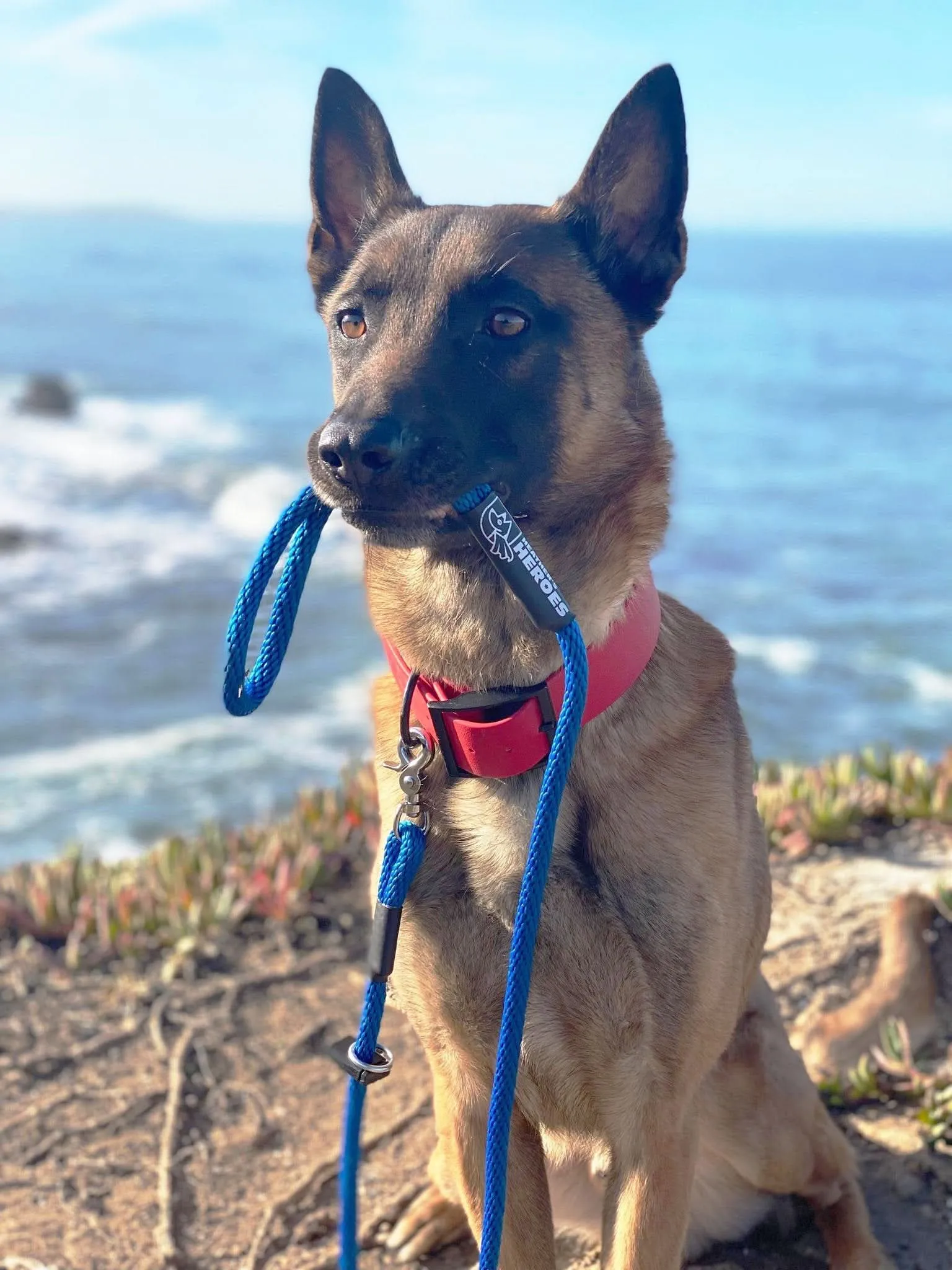
- Begin with exploration. Let your dog investigate safe scents while you keep the line loose and organized.
- Reward check-ins. When your dog looks toward you, turns with you, or comes closer, calmly reinforce that voluntary engagement.
- Practice supported recall. Use a consistent cue when success is likely. Move backward, invite your dog toward you, and reinforce the return.
- Add one challenge at a time. Increase distance, distraction, or duration separately. If the line stays tight, make the next repetition easier.
- Finish before frustration. Return to an easy behavior, gather the line safely, and end while your dog can still think and respond.
Keep loops in soft gathers rather than wrapping the line around your hand, wrist, or body. Watch for trees, fences, rocks, people, and other dogs. A long line is a safety connection for deliberate practice, not an invitation to stop supervising.
At this length, observe how your dog uses space. Does your dog move out, pause to explore, and return voluntarily? Does the line stay loose? These observations tell you more than the number printed on the package. If your dog repeatedly reaches the end of the line, reduce the difficulty and rebuild calm movement before adding distance.
When should you choose a 30-foot or 50-foot line?
Answer: Choose a 30-foot line when your dog understands basic recall on a shorter line and you have a visible, open training area. Reserve a 50-foot line for advanced work when your dog can respond consistently at shorter distances and you can safely manage the extra line.
A 30-foot line supports distance recall and open-space work, but it gives your dog more time to follow a scent or become absorbed in the environment. Use it only where you can see the full area and anticipate hazards. A second adult can be helpful during early sessions, especially if the space contains other people or dogs.
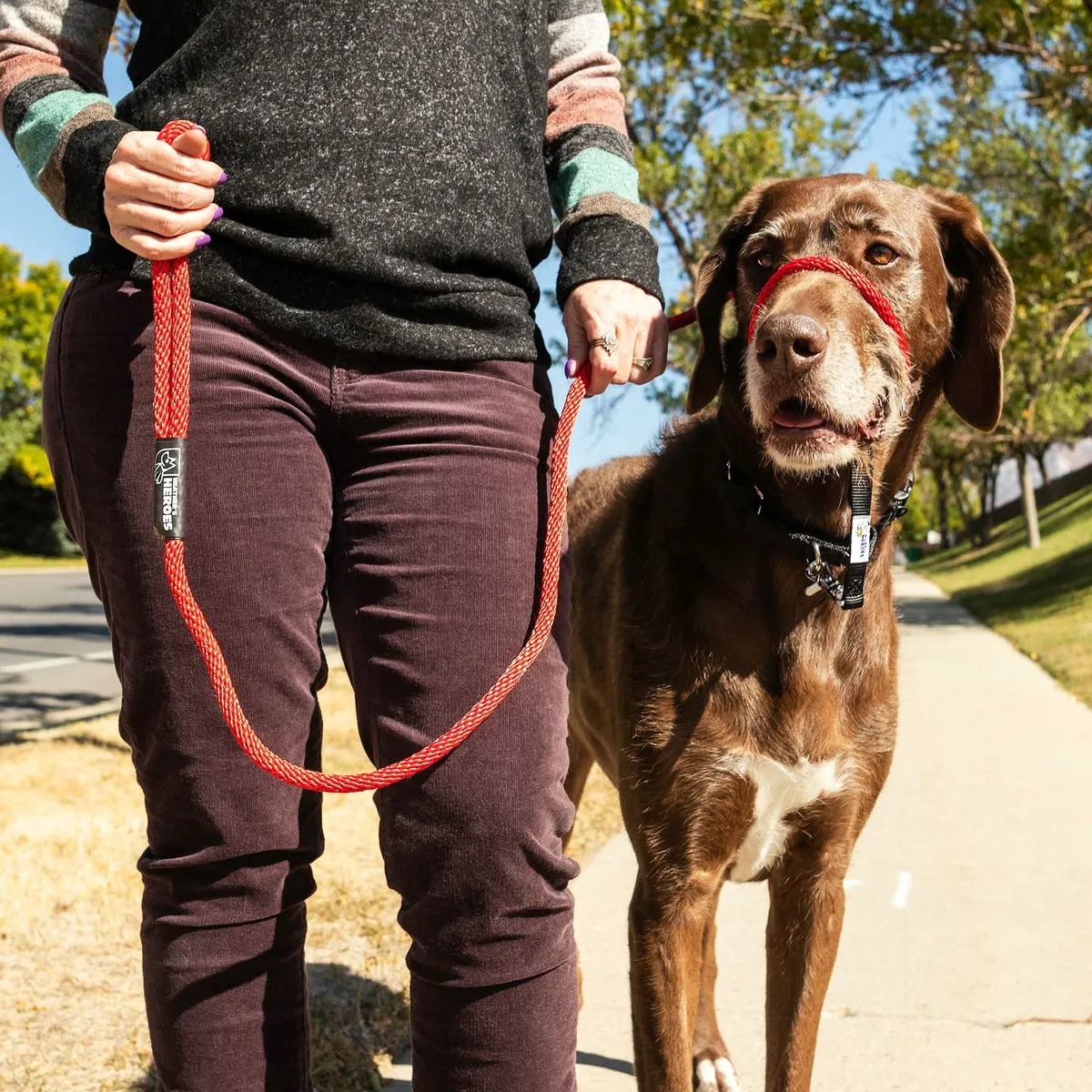
A 50-foot line can test recall at meaningful distance, but it should not be the first choice for a puppy or a dog still learning to stay connected. Extra length increases the chance of tangles, sudden loading, and delayed response. Progress to it because your training is ready, not because more space automatically means better training.
How do you manage a long line safely?
Keep your hands free from tight coils and maintain awareness of where the line is traveling. Inspect the clip, stitching, and line before each session. Pause if the area becomes crowded or unpredictable. Follow local rules, and remember that no long line makes unsupervised off-leash access safe.
Never allow the line to wrap around your body, another person, or another dog. Avoid roads, crowded paths, playgrounds, steep drop-offs, and places where the line can catch on an object. Be especially cautious if your dog is strong, fearful, reactive, or likely to run toward wildlife.
How can this dog leash length guide match your dog's skills?
Answer: Start with your dog's current ability to think and respond, then match leash length to the environment and training goal. Choose 15 feet for a manageable introduction to controlled freedom, 30 feet for developing distance recall, and 50 feet only when the team is ready.
Watch your dog's body language. Loose movement, regular check-ins, and the ability to take a reward suggest that the setup is workable. Constant scanning, repeated hits at the end of the line, ignored familiar cues, or difficulty settling mean you should reduce the challenge or create more distance from the distraction.
Quality and fit matter as much as length. Inspect the clip, material, and connection before use. Choose equipment suited to your dog's size and the setting. Heather's Heroes offers 15 foot, 30 foot, and 50 foot Long Lines, along with the Dynamic Duo training bundle for teams that need complementary tools.
Keep a simple record of the length, location, distraction level, and behaviors you could reinforce. That information turns leash selection into an observable training decision. Use the shorter tool when you need close guidance, and use a long line when you have a clear purpose for added space.
What should you practice at each leash length?
Answer: Practice calm connection and close guidance on a short leash. Everyday walking skills on a 4 to 6 foot leash, and planned recall or exploration on a long line. Each increase in length should support one clear skill rather than add freedom without a training purpose.
Start with the environment, not the longest line
Before choosing equipment, look at the space where you will practice. A narrow sidewalk, parking area, or trail with frequent passersby calls for a shorter connection. A clear field can offer room for a long line, but only if you can see the entire area and identify hazards before your dog begins moving.
For everyday walking, use the leash length that allows you to notice your dog's choices and respond promptly. You might pause when your dog checks in, change direction before the line becomes tight, or give your dog time to investigate a safe scent. These actions help you build a calmer, more connected walk in real conditions.
Progress by changing one variable
When a setup is working, change only one variable at a time. Add a little distance while keeping the environment quiet, or keep the distance stable while introducing a mild distraction. If you increase line length, location, and distraction together, it becomes difficult to know what made the exercise harder.
Give your dog a clear way to succeed. Begin with a short session, reinforce check-ins, and return to a familiar skill before ending. If the line becomes tight repeatedly, your dog stops taking rewards, or your cues no longer receive a response, reduce the distance or move to a calmer location. That adjustment is useful training information, not a failure.
Know when a long line is the wrong choice
A long line is not appropriate for every walk or every dog. Avoid using one near roads, crowded paths, playgrounds, steep drop-offs, or places where the line can catch on an object. Choose a shorter setup until you can create a safer practice environment.
Matching equipment to the moment protects safety and keeps training practical. A dog may respond beautifully on a 30-foot line in a quiet field and need a 6-foot leash near a busy road. Skills are not permanently attached to one piece of equipment. Revisit earlier lengths as your environment and your dog's emotional state change.
For more education about helping dogs work through emotional challenges, explore Heather's Heroes content on leash reactivity and its impact on walks. If your dog becomes overwhelmed, create distance and choose a simpler lesson rather than pushing forward.
The most useful dog leash length guide is the one that helps you make a thoughtful decision for today's lesson. A shorter leash may be the right answer when the environment is difficult. A long line may be the right answer when your dog is ready for carefully supported exploration. Choose the tool that keeps the team connected and able to learn.
Remember that leash length is only one part of a successful session. Your timing, attention, environment, and ability to notice small changes in your dog's behavior all matter. A longer line cannot create recall by itself. It gives you a way to practice while keeping a physical connection, but the learning comes from repeated, achievable experiences.
As your dog becomes more consistent, keep revisiting earlier lengths. Skills are not permanently attached to one piece of equipment. A dog may respond beautifully on a 30-foot line in a quiet field and need a 6-foot leash near a busy road. Matching the tool to the moment protects safety and keeps training practical in real life.
Explore The Sidekick Transitional Leash for connected training support
Frequently Asked Questions
What is the best length for a dog leash?
A 4 to 6 foot leash is practical for most everyday walks. Use a shorter leash when close management matters and a 15 to 50 foot long line for planned training in a suitable open area.
Is a 15-foot leash long enough for recall?
Yes. A 15-foot long line can provide enough room for early recall and exploration practice while remaining manageable. Build success at a short distance before adding space or distractions.
Should I use a 30-foot or 50-foot long line?
Choose 30 feet for developing distance recall in an open area. Reserve 50 feet for advanced, supervised work with a dog who responds consistently on shorter lines.
Can a long line replace off-leash training?
A long line maintains a physical connection. It does not eliminate risk or replace supervision. Choose an appropriate area, follow local rules, and keep the session within your dog's current ability.
Explore Heather's Heroes leash tools for your next training goal


